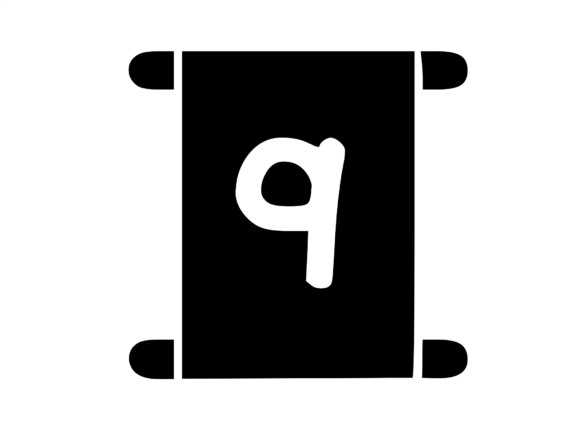
Old Scroll with Playful Mono 9: A Stitch Review
As a designer who spends more time behind an embroidery machine than a computer screen, I approach every new graphic with a healthy dose of skepticism. We have all downloaded files that look stunning on a monitor but turn into thread nests or distorted shapes once hooped. When evaluating Old Scroll with Playful Mono 9, my primary concern was not just its aesthetic charm, but its structural integrity as a machine embroidery design. This graphic sits at the intersection of vintage nostalgia and modern playfulness, a combination that is highly sought after in the current market for Crafts and personalized goods. However, translating this specific visual style into stitches requires a deliberate strategy to ensure the final product retains that delicate balance.
First Impressions and Visual Translation
My initial assessment of Old Scroll with Playful Mono 9 focused on the interplay between the ornate scrollwork and the typography. The "Playful Mono" aspect suggests a font that is legible yet whimsical, which is crucial for custom apparel and signage. Visually, the design carries a mood of heritage and warmth. It does not feel sterile or overly digital; instead, it possesses the organic imperfections that customers associate with high-quality handmade products. For an Etsy seller or boutique owner, this immediate visual recognition is valuable. It signals "artisanal" before the customer even reads the product description.
However, from a technical standpoint, the scroll elements likely contain varying line weights. In a digital Graphics file, these lines are seamless. In embroidery, they must be converted into either satin stitch columns or running stitch outlines. If the original vector paths are too thin, they risk breaking during digitization or stitching. Conversely, if they are too thick without proper underlay, they can cause puckering on lighter fabrics. The playful nature of the mono font also implies open spacing, which is excellent for reducing stitch density and keeping garments soft, but it demands precise registration to prevent the letters from looking disjointed next to the denser scroll artwork.
Real-World Application: The Custom Tote Bag Test
To truly understand the viability of Old Scroll with Playful Mono 9, I mentally applied it to a recent client request: a series of canvas tote bags for a local bookstore’s anniversary. Canvas is a forgiving fabric, but it has a distinct fabric texture that can swallow fine details. For this project, the design needed to be readable from a distance while maintaining its intricate vintage appeal up close.
In this scenario, the scroll serves as a framing device, while the playful mono text delivers the message. Because tote bags are functional items subject to wear, I would avoid using a pure running stitch for the outer edges of the scroll. Instead, utilizing a bean stitch or a heavier satin column would anchor the design better against the canvas weave. The "playful" typography offers a unique opportunity here; unlike rigid block fonts, it allows for slight rotation or curvature that mimics hand-lettering. This elevates the perceived value of the bag from a generic promotional item to a collectible piece of merchandise. For a small shop product, this distinction directly impacts pricing power and customer loyalty. The design feels intentional rather than stamped on, which is exactly what buyers look for in personalized gifts and boutique accessories.
Navigating Fabric Limitations and Hoop Constraints
While Old Scroll with Playful Mono 9 shines on stable substrates like canvas or denim, it requires careful handling on more challenging materials. If you are planning sweatshirt embroidery, the stretchiness of knit fabrics is your biggest adversary. The detailed curves of the scroll can easily distort if the stabilizer choice is inadequate. I strongly recommend using a cut-away stabilizer with adequate fusible backing to prevent the design from pulling the fabric out of shape. The playful mono lettering, depending on its digitized height, may also suffer from registration errors on knits if the pull compensation isn't adjusted correctly.
Furthermore, consider your hoop size limitations. Vintage scroll designs often have elongated proportions. Before committing to a production run, verify that the design fits comfortably within your hoop with enough margin for the presser foot. Cramming a design into a hoop that is barely large enough leads to tension issues and poor stitch quality. For smaller items like baby onesies or caps, you may need to resize or separate the elements. Always check the minimum recommended size for the embroidery file; shrinking complex scrollwork below its safe threshold will result in lost detail and thread breaks. If you intend to use this for baby embroidery, ensure the back of the design is smooth or covered, as dense vintage styling can sometimes feel scratchy against sensitive skin.
Commercial Viability and Brand Consistency
For creative entrepreneurs and digital product sellers, consistency is key. Old Scroll with Playful Mono 9 offers a versatile foundation for building a cohesive collection. Its aesthetic bridges the gap between holiday themes and everyday vintage decor, making it suitable for year-round sales rather than just seasonal spikes. When creating printable mockups or listing photos, this design photographs beautifully because of its balanced composition. It doesn't require excessive styling to look professional.
However, commercial success also depends on understanding licensing and usage rights. Before selling finished items or incorporating this into design assets for resale, always confirm the specific license terms associated with the file. As a reviewer, I cannot verify the current licensing status of this specific asset, so due diligence is mandatory. Assuming you have the correct commercial rights, this design performs exceptionally well for commercial embroidery projects like branded aprons, tea towels, and wedding party gifts. The "Playful Mono" element adds a layer of approachability that prevents the vintage scroll from feeling too stuffy or formal, broadening its appeal to younger demographics and modern makers.
Essential Pre-Stitch Checklist for Makers
To ensure your experience with Old Scroll with Playful Mono 9 is successful, treat your first stitch-out as a research phase, not a production step. Follow these practical guidelines:
- Test on Scrap Fabric First: Never stitch directly onto a final product without a test run. Use a fabric weight and weave that matches your intended project to gauge tension and density.
- Check Thread Color Contrast: Vintage designs rely on shadow and highlight. Test thread colors in both natural and artificial light. A variegated thread might enhance the scroll's age, while a solid matte thread might better suit the mono text.
- Review Stitch Density: Inspect the file in your embroidery software. If the scroll areas are excessively dense, manually reduce the density or adjust the underlay to prevent fabric distortion.
- Inspect Small Details: Zoom in on the smallest serifs or flourishes. If they are represented by single pixels or tiny jumps in the preview, they may not stitch cleanly. Edit or simplify these areas if necessary.
- Verify Stabilizer Pairing: Match your stabilizer to the fabric, not just the design. Sheer fabrics require tear-away or water-soluble options, while heavy canvas needs robust cut-away support.
- Mockup in Black and White: Viewing the design in grayscale helps identify contrast issues that color might hide. This ensures the finished product remains legible regardless of the colorway chosen.
Ultimately, Old Scroll with Playful Mono 9 is a promising asset for makers who value character and versatility. It demands respect for the technical aspects of embroidery, but when executed correctly, it delivers a level of sophistication that sets handmade goods apart in a crowded marketplace. Whether you are crafting a holiday embroidery heirloom or stocking your shop with unique apparel, this design provides the artistic backbone needed to create something truly memorable. Just remember to validate your specific file parameters and test thoroughly, ensuring that the charm you see on screen translates perfectly to the tactile reality of thread and fabric.