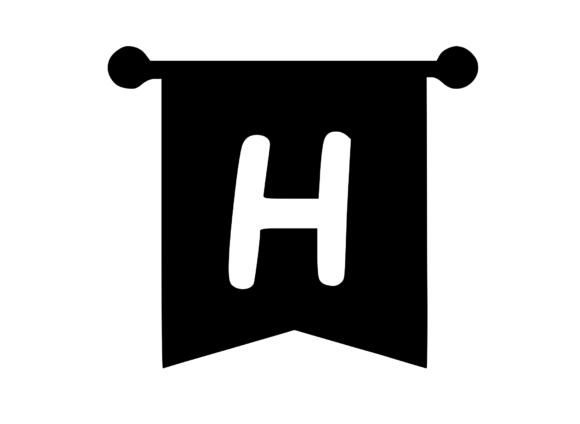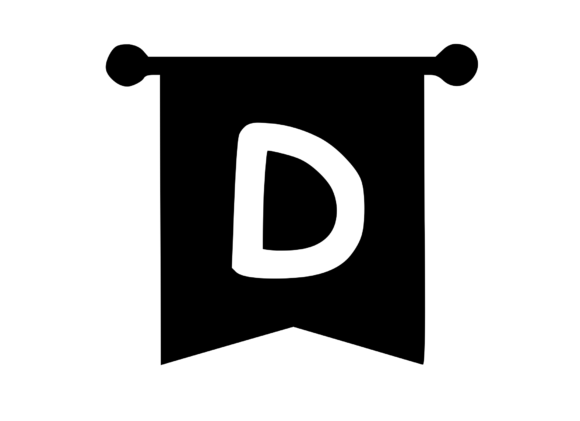
Royal Flag Banner with Playful Mono D Review
As a professional embroidery designer and product reviewer, I approach every new machine embroidery design with a critical eye. It is not enough for a graphic to look appealing on a screen; it must translate seamlessly into thread, tension, and texture. When evaluating the Royal Flag Banner with Playful Mono D, my primary focus is on its versatility as both a standalone monogram and a decorative element for custom apparel and home goods. This design bridges the gap between traditional heraldry and modern playfulness, making it a unique asset for Etsy sellers, boutique owners, and hobbyists looking to elevate their handmade product offerings.
First Impressions: Balancing Regal Structure and Whimsy
My initial assessment of the Royal Flag Banner with Playful Mono D centers on its visual personality. The combination of a structured flag banner with a "playful" monotype letter suggests a design that avoids being overly stiff or antiquated. In the world of Crafts and Graphics, finding this balance is difficult. Too regal, and it feels like a costume piece; too playful, and it loses the premium feel associated with banners. This design appears to hit a sweet spot, offering a sophisticated silhouette softened by approachable typography.
For a craft business, this aesthetic flexibility is valuable. It implies the design can transition from a nursery blanket to a collegiate-style sweatshirt without feeling out of place. As an embroidery file, the success of this mood depends entirely on how the digitizer handled the transition between the banner’s rigid lines and the letter’s curves. A well-digitized version will maintain crisp edges on the flag while allowing the mono D to breathe, preventing the design from looking blocky or dense when stitched out.
Real-World Application: Stitching a Custom Tote Bag
To truly judge the utility of the Royal Flag Banner with Playful Mono D, I mentally placed it in a real-life production scenario: creating a personalized canvas tote bag for a small shop product line. Tote bags are a staple for commercial embroidery because they offer a flat, stable surface that showcases detail well. However, canvas has a distinct fabric texture that can swallow fine details if the stitch density is too low.
In this scenario, I envision the banner centered on the bag with the D representing a family name or business initial. The key consideration here is scale. If the design is too small, the playful elements of the mono D might get lost in the weave of the canvas. If it is too large, it risks distorting the bag's shape during hooping. For this project, I would treat this as a potential applique design opportunity. Using a felt or cotton fabric for the banner portion could reduce stitch count and add a tactile, high-end dimension that pure thread cannot achieve. This approach not only saves time but also creates a finished product that justifies a higher price point due to the mixed-media aesthetic.
Performance Across Apparel and Home Decor
Beyond tote bags, the Royal Flag Banner with Playful Mono D shows promise for various embroidery projects. On sweatshirt embroidery, specifically heavyweight fleece, the design needs sufficient underlay to prevent sinking. The banner shape provides a natural frame that stabilizes the garment locally, which is beneficial when stitching on stretchy knits. For baby embroidery items like bibs or onesies, the "playful" aspect of the mono D is crucial. Here, I would recommend testing softer thread colors rather than high-contrast royal tones to maintain the gentle aesthetic required for infant wear.
For home decor, such as pillow covers or tea towels, this design functions excellently as a seasonal or evergreen accent. As a holiday embroidery motif, the banner evokes tradition, making it suitable for Christmas stockings or Fourth of July decor depending on colorway choices. However, for items requiring frequent washing like kitchen linens, I must verify that the satin stitch borders are secure and not too narrow, as thin satin columns can fray over time. A running stitch outline or a slightly wider column would be preferable for longevity in these high-use applications.
Critical Considerations for Fabric and Hoop Size
While versatile, the Royal Flag Banner with Playful Mono D requires careful placement decisions. I advise caution when using this design on highly textured fabrics like terry cloth or boucle unless you use a water-soluble topping. Without it, the intricate details of the playful mono may become obscured. Similarly, on dark fabrics, ensure the thread colors provide adequate contrast. A dark navy banner on a black sweatshirt will disappear unless outlined with a metallic or light contrasting running stitch.
Hoop size selection is another practical constraint. Because banners are often horizontally oriented, confirm your machine’s hoop dimensions before purchasing or stitching. Trying to squeeze a wide banner into a standard 4x4 hoop often leads to distortion or resizing that compromises the letter's proportions. Always check the native dimensions of the digital embroidery file. Additionally, if you plan to use this on curved surfaces like caps, be aware that horizontal banners can warp. You may need to rotate the design or select a cap-specific version if available, as flat banner designs rarely curve gracefully around a visor without significant modification.
Enhancing Value and Professional Presentation
The true value of the Royal Flag Banner with Playful Mono D lies in its ability to signal professionalism. Customers associate framed monograms with bespoke quality. When used correctly, this design elevates a basic item into a personalized gift that feels curated. For Etsy sellers and makers, presentation is everything. Before listing a product featuring this design, create a printable mockup or photograph a physical sample in natural light. Digital previews alone often fail to convey the texture of the fill stitch or the sheen of the thread.
Brand consistency is also vital. If your shop specializes in minimalist modern goods, ensure the "royal" aspect of the banner doesn't clash with your existing inventory. Conversely, if you sell heritage-style goods, this design reinforces that niche. The cohesive use of such specific design assets builds buyer trust and recognition. Customers return to shops where the aesthetic feels intentional, not random.
Essential Designer Notes for Success
Before committing the Royal Flag Banner with Playful Mono D to a final product, adhere to these professional best practices:
- Test Stitch First: Never run this design directly on a final garment without a test sew-out on similar scrap fabric. Check for registration issues between the banner and the letter D.
- Verify Licensing: Since this is described as an SVG for artists and crafters, confirm whether the license permits commercial embroidery of finished goods versus digital resale. Protect your business by understanding usage rights.
- Stabilizer Selection: Match your stabilizer to the fabric weight. Use cut-away for knits and tear-away for wovens. For the banner shape, consider a fusible mesh to prevent puckering inside the frame.
- Color Contrast Check: View your thread palette in grayscale to ensure the mono D remains legible against the banner background. Value contrast matters more than hue contrast in embroidery.
- Inspect Small Details: If resizing down, check that the serifs or decorative elements of the playful mono do not merge. There is a minimum physical limit to how small stitches can go before they become perforations rather than art.
- Mockup Testing: Test the design in both black-and-white and color mockups to see how it reads in different marketing contexts.
By approaching the Royal Flag Banner with Playful Mono D with technical diligence and creative intention, you transform a simple graphic file into a profitable, beautiful component of your embroidery repertoire. Whether for a tote bag design, an embroidered patch, or a cherished heirloom, success comes from respecting the relationship between the digital file and the physical stitch.