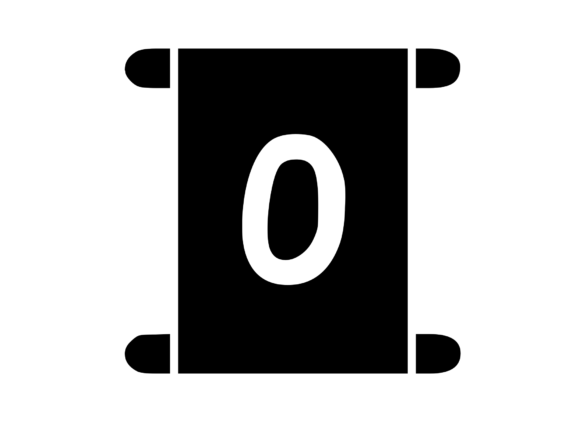
Old Scroll with Playful Mono 0 Review
As a professional embroidery designer who spends countless hours testing files before they ever touch a customer’s garment, I approach every new graphic with a healthy dose of skepticism. We have all downloaded promising design assets only to find they pucker on denim or lose detail on fleece. When evaluating the Old Scroll with Playful Mono 0, my primary focus was not just its aesthetic charm as a digital graphic, but its structural integrity as a machine embroidery design. This review breaks down how this specific artwork translates from screen to stitch, specifically for makers and shop owners who need reliable results.
First Impressions: Vintage Charm Meets Stitch Logic
My initial reaction to Old Scroll with Playful Mono 0 was positive regarding its visual hierarchy. The scroll motif provides a natural frame, which is excellent for guiding the eye in an embroidery project. In the world of Crafts and Graphics, many designs suffer from being too cluttered or too sparse. This design strikes a balance that suggests it will digitize well. The "Playful Mono" aspect implies a typography style that is legible yet characterful, avoiding the stiffness of traditional block letters while maintaining enough width in the letterforms to support a clean satin stitch or a dense fill stitch.
For an Etsy seller or boutique owner, this mood is versatile. It feels established and nostalgic without looking dated. It is the kind of aesthetic that signals quality to a buyer browsing through thumbnails. However, as a reviewer, I immediately looked at the corners of the scroll. Intricate curls are where embroidery often fails if the stitch density is too high or the underlay is insufficient. Visually, this design appears to have open enough spacing to prevent bulletproofing (stiff, thread-heavy areas), but this must be verified during your personal testing phase.
Real-World Application: The Custom Tote Bag Test
To truly judge this file, I mentally placed it in a real-life production scenario: creating a branded canvas tote bag for a local bookstore client. A tote bag design needs to withstand wear, washing, and the coarse texture of canvas. Old Scroll with Playful Mono 0 seems ideally suited for this application because the scroll shape offers a defined boundary. On unstructured fabrics like canvas or linen, having a self-contained design helps maintain registration.
In this scenario, I would utilize the scroll as a central element, perhaps containing the bookstore’s name or establishment date. The playful monogram style adds a bespoke feel that elevates a simple utility item into a personalized gift or premium merchandise. For a small shop product, this distinction matters. Customers perceive higher value in items that look custom-drawn rather than generic. The design’s layout allows for easy resizing; you could scale it down for a pocket-sized pouch or up for a large market bag, provided you verify the embroidery file integrity at those extremes.
Navigating Fabric Variables and Hoop Constraints
While Old Scroll with Playful Mono 0 shows great promise, no design is universal. As an experienced embroiderer, I must highlight where caution is required. If you are planning baby embroidery on ribbed knit or stretchy jersey, the rigid structure of a scroll can sometimes fight against the fabric's drape. In these cases, ensure you are using an appropriate cut-away stabilizer to prevent the scroll from distorting the garment after washing.
Furthermore, consider your hoop size limitations. Detailed scrolls often require larger hoops to accommodate the full width without excessive re-hooping. If you are working with a 4x4 hoop, check if the digital embroidery file includes separated elements or if resizing compromises the running stitch details in the scrollwork. Tiny text within the mono section is another risk area. If the font strokes are thinner than 3mm, they may disappear on textured fabrics like terry cloth or fleece. Always test on scrap material that matches your final fabric texture before committing to a finished product.
Commercial Viability for Makers and Sellers
For those running a craft business, consistency is currency. Old Scroll with Playful Mono 0 offers a cohesive look that can tie together a collection. Imagine offering a line of holiday gifts where this scroll appears on tea towels, aprons, and ornament keepsakes. The vintage vibe works exceptionally well for holiday embroidery, evoking tradition and warmth. Because the design has a distinct personality, it aids in brand recognition. When customers see that specific playful script inside a scroll, they associate it with your shop’s quality standard.
However, a critical note for commercial embroidery users: always verify licensing. While the description encourages you to "proudly reproduce," you must confirm whether this applies to physical custom apparel sales, digital file redistribution, or both. Never assume rights based solely on marketing copy. Additionally, when creating listing photos, use this design in printable mockups that accurately represent stitch texture. Flat vector previews can mislead buyers expecting raised embroidery. Showing the design stitched out builds trust and reduces returns.
Essential Designer Notes for Success
Before you load Old Scroll with Playful Mono 0 into your machine for a client order or inventory run, follow this practical checklist derived from years of troubleshooting:
- Run a Stitch-Out Test: Never skip this step. Use a fabric weight similar to your final project to check for puckering or gaps in the scroll borders.
- Evaluate Thread Contrast: This design likely relies on contrast between the scroll background and the mono text. Test thread colors on both light and dark backgrounds. A white scroll on cream fabric might look elegant digitally but vanish physically.
- Check Small Details: Inspect the inner curves of the scroll. If the applique design elements (if applicable) have raw edges, ensure your tack-down stitches are secure. Loose threads ruin the perceived value of a handmade product.
- Verify Resizing Limits: Most embroidery files have a safe resize range of +/- 10% to 20%. Going beyond this can distort the satin stitch columns in the mono lettering. If you need a significantly different size, seek a native file version.
- Assess Stabilizer Needs: For a sweatshirt embroidery project involving this scroll, use a medium-weight cut-away stabilizer. For woven cottons like quilting fabric, a tear-away may suffice. Matching support to design complexity prevents distortion.
- Mockup Realistically: When selling this as part of a service or product, avoid flat digital renders. Use photos of actual stitches or high-quality textured overlays to set accurate expectations for the embroidered patch or garment finish.
Final Thoughts on Design Integrity
Old Scroll with Playful Mono 0 stands out as a strong contender for makers seeking a blend of classic structure and modern whimsy. Its potential as a signature element for small shop products or personalized heirlooms is significant, provided the technical execution matches the artistic intent. By treating this graphic not just as art, but as a functional blueprint for thread, you ensure that every embroidery project honors the design's original spirit. Remember, the best design assets are those that survive the transition from pixel to polyester with their character intact. Test thoroughly, stitch confidently, and let the craftsmanship speak for itself.