Beach More Worry Less: A Designer’s Embroidery Review
As a professional embroidery designer and product reviewer, I approach every new digital asset with a critical eye. When evaluating Beach More Worry Less, my primary concern is not just the aesthetic appeal on a screen, but how this graphic translates into physical thread. While this product is marketed as an SVG mug design compatible with Silhouette Studio, Cricut Design Space, Corel DRAW, Inkscape, and Adobe Photo, its clean lines and bold typography suggest significant potential for machine embroidery. For craft business owners and Etsy sellers, understanding the crossover between vinyl cutting files and embroidery digitizing is essential for maximizing the value of your design assets.
First Impressions and Visual Personality
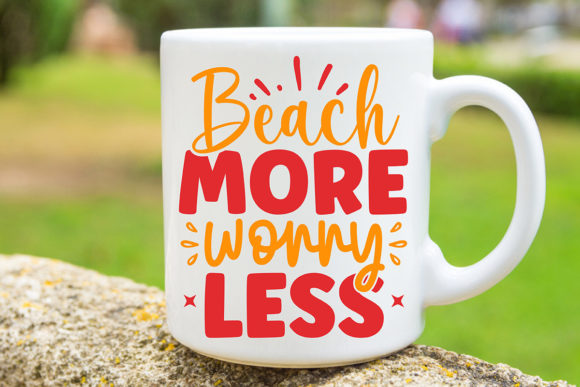
Upon opening the file, the layout immediately communicates a relaxed, coastal vibe that fits perfectly within current summer merchandise trends. The phrase "Beach More Worry Less" uses a balanced mix of script and block lettering, creating a visual hierarchy that guides the eye naturally. From a digitizer's perspective, this contrast is excellent. It allows us to assign different stitch types to create texture without overcrowding the design. The mood is undeniably positive, making it a safe yet stylish choice for personalized gifts and boutique products. Unlike overly intricate vintage designs that can become muddy when stitched, this graphic relies on negative space and clear shapes, which usually results in a cleaner finished product on fabric.
Real-World Application: The Canvas Tote Test
To truly evaluate this design, I mentally placed it onto a natural canvas tote bag—a staple item for any handmade shop or beachwear brand. In this real-life scenario, the design needs to withstand the texture of the canvas while remaining legible from a distance. Because the original file is intended for print-on-demand and cutting machines, converting it for embroidery requires strategic planning. I envision using a satin stitch for the script elements to give them a glossy, elevated look against the matte canvas, while employing a fill stitch or running stitch for the bolder text to reduce bulk.
For a custom apparel project like a lightweight sweatshirt or a linen tea towel, this design performs well because it does not require excessive stabilization. Heavy, dense embroidery can cause lightweight fabrics to pucker or distort, but the open nature of Beach More Worry Less minimizes this risk. This makes it an ideal candidate for baby embroidery on onesies or nursery decor where comfort is paramount. If you are an Etsy seller creating seasonal listings, this versatility allows you to use one digital embroidery file across multiple product categories, streamlining your production workflow.
Navigating Fabric Limitations and Hoop Constraints
While the design is versatile, there are specific environments where caution is necessary. As a graphics-based asset originally meant for mugs, the fine details may need adjustment before hitting the hoop. Small lettering or thin connecting lines in script fonts often do not translate directly to thread without modification. On textured fabrics like terry cloth towels or fleece blankets, tiny details can get lost in the pile. In these cases, I recommend adding a knockdown stitch underneath the design area or simplifying the artwork to ensure stitching clarity.
Hoop size is another critical factor. If you are working with small hoop sizes for items like caps, patches, or baby clothes, the horizontal span of "Beach More Worry Less" might be too wide. You may need to stack the text vertically or resize carefully. Be aware that reducing a design too much can cause satin stitches to become narrow and prone to breaking, or cause registration issues where outlines no longer align with fills. Always verify the minimum recommended size for your specific embroidery file format before committing to a production run. Additionally, stretchy fabrics like performance knits require careful stabilizer selection; otherwise, the design may warp after washing, compromising the professional quality of your commercial embroidery work.
Elevating Product Value and Brand Consistency
The way a design stitches out directly impacts customer trust and perceived value. A crisp, well-executed version of Beach More Worry Less signals professionalism. When buyers see clean edges and appropriate thread density, they associate that quality with your entire brand. This is particularly important for holiday embroidery or wedding gifts where sentimental value amplifies the need for perfection. Using this design consistently across various items—from embroidered patches to printable mockups for digital previews—helps build brand recognition. However, consistency doesn't mean monotony; experimenting with thread colors to match specific fabric backgrounds can keep the product line fresh while maintaining the core identity of the design.
Essential Notes for Makers and Sellers
Before listing any finished product featuring this design, practical testing is non-negotiable. Since the source material is optimized for cutting and printing, treat the conversion process with care. Here are my top recommendations for ensuring success:
- Test on Scrap Fabric First: Never stitch a new design directly onto a sellable item. Use a scrap of the exact fabric and stabilizer combination you plan to use for the final project to check for puckering or tension issues.
- Verify Licensing Terms: The description mentions print-on-demand and cutting software compatibility, but it does not explicitly state embroidery licensing. Before selling finished embroidered goods or reselling the digitized file, confirm that your usage rights cover commercial embroidery projects.
- Check Thread Color Contrast: Test the design in both black-and-white and color mockups. Ensure the design remains visible on dark fabrics; you may need to add a white underlay or outline to make the colors pop on navy or charcoal garments.
- Review Stitch Density: If you are digitizing this yourself from the SVG, avoid over-densifying. High stitch counts increase production time and can damage delicate fabrics. Aim for a balance that provides coverage without stiffness.
- Inspect Small Details: Zoom in to 100% view in your embroidery software. Ensure that all anchor points are secure and that jump stitches are minimized or placed logically to reduce trimming time during production.
- Confirm File Compatibility: While the source is SVG, ensure your machine accepts the converted embroidery format (PES, DST, EXP, etc.) and that the design field fits within your machine’s maximum hoop size.
Final Thoughts for Creative Entrepreneurs
Beach More Worry Less represents a strong opportunity for makers looking to expand their summer inventory. Its origin as a graphics and crafts asset gives it a modern, scalable foundation that adapts well to needle and thread when handled correctly. Whether you are producing custom apparel for a local boutique, creating personalized gifts for clients, or building a digital product catalog, this design offers the flexibility needed for diverse applications. By respecting the technical requirements of machine embroidery and validating the design through real-world testing, you can transform this simple phrase into a high-value asset that resonates with customers and elevates your handmade business. Remember, the most successful embroidery projects are those where artistic vision meets technical precision, resulting in a finished product that looks as good in person as it does in the digital preview.