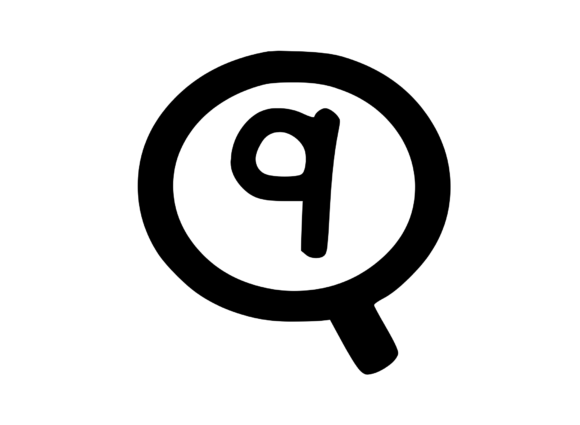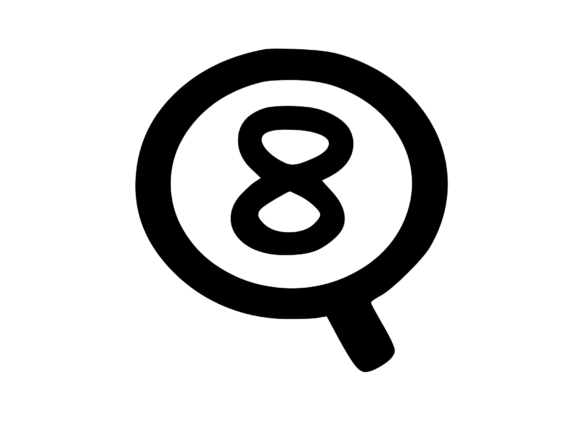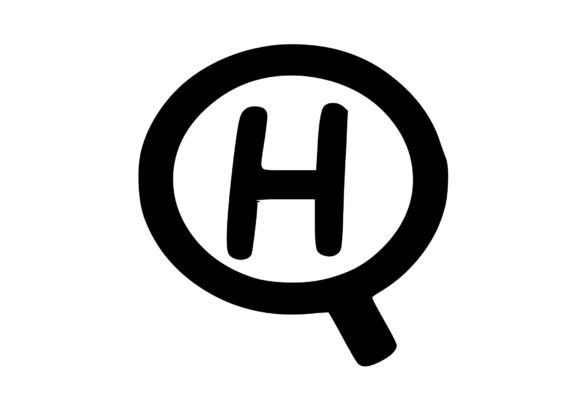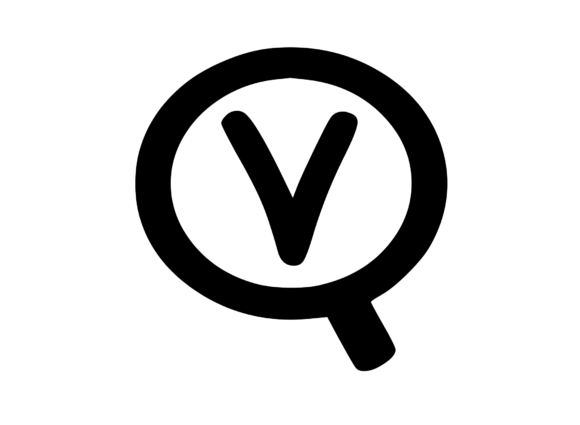
Search Symbol with Playful Mono V: A Stitch Test
When I first loaded the Search Symbol with Playful Mono V into my embroidery software, I wasn't just looking at a graphic; I was evaluating a potential bestseller for my custom apparel line. As designers and makers, we know that a digital file can look pristine on a screen but behave unpredictably under the needle. This design sits in that interesting intersection of modern utility and vintage charm, blending the universally recognized search iconography with a monogram aesthetic that feels distinctly human. For those of us running a craft business or managing an Etsy shop, this isn't just a cute clipart asset; it is a candidate for a machine embroidery design that needs to perform across various substrates and wash cycles.
First Impressions: Digital Charm Meets Thread Reality
The immediate appeal of Search Symbol with Playful Mono V lies in its personality. It avoids the sterile, corporate look often associated with tech-inspired graphics. Instead, the "playful mono" aspect suggests a hand-drawn quality, likely utilizing variable width lines or organic curves rather than rigid geometric perfection. In the world of Graphics and Crafts, this stylistic choice is crucial because it mimics the natural imperfections of thread. When digitized correctly, this design should translate beautifully into stitch, as the playful lines forgive minor registration shifts that would ruin a stricter, more technical logo.
Visually, the composition feels balanced for center-chest placement or pocket-sized applications. The search symbol acts as a frame or a focal point, while the monogram element provides the necessary customization space that customers crave. For a personalized gift or boutique merchandise, this duality is gold. It tells the customer, "This is functional and searchable," while simultaneously saying, "This was made just for you." However, before listing this as a digital embroidery file or stitching it onto inventory, I had to consider how those playful lines would interact with real-world fabric textures.
The Tote Bag Test: A Real-World Application
To truly evaluate this design, I envisioned a specific project: a natural canvas tote bag intended for a local library fundraiser. Libraries are the perfect thematic home for a search symbol, and the playful monogram style aligns with a cozy, academic aesthetic. Canvas is a forgiving fabric, but it has texture. My primary concern was whether the finer details of the "Playful Mono" script would get lost in the weave or if the satin stitch columns were wide enough to lay flat without tunneling.
In this scenario, Search Symbol with Playful Mono V serves as more than decoration; it is branding. If I were selling these as part of my small shop product lineup, the clarity of the search icon is paramount. Customers need to recognize the symbol instantly from a distance. During my mental walkthrough of the stitching process, I noted that the design’s open spaces are advantageous. Unlike dense fill stitch designs that can make a tote bag stiff and heavy, this design likely relies on outline work and strategic fills, preserving the drape and utility of the bag. This makes it an excellent tote bag design candidate because it respects the function of the item while elevating its perceived value through thoughtful artistry.
Fabric Compatibility and Stabilizer Strategy
While canvas is ideal, many of us want to use this embroidery file on stretchy knits for sweatshirt embroidery or lightweight cottons for baby embroidery. Here is where practical judgment must override digital optimism. The playful nature of the font implies curves that can distort on unstable fabrics. If you are applying Search Symbol with Playful Mono V to a ribbed knit or a jersey t-shirt, a standard tear-away stabilizer will not suffice. You must use a cut-away stabilizer to prevent the design from puckering after washing. The tension required to hold those monogram curves crisp against a stretching fabric is significant.
For darker fabrics, contrast is your best friend and worst enemy. If the design uses thin running stitch elements to achieve that sketchy, playful look, they may disappear against navy or black fabric unless you adjust the thread colors or increase the stitch weight. Conversely, on sheer or lightweight fabrics, the stitch density becomes a critical factor. Too dense, and you risk perforating the fabric like a stamp; too sparse, and the design looks unfinished. Always verify the density settings in your software before committing to a finished product. If the provided file does not specify density adjustments for different weights, assume you need to test it yourself.
Commercial Viability for Makers and Sellers
For the Etsy seller or creative entrepreneur, time is money. Search Symbol with Playful Mono V offers high commercial viability because of its versatility. It bridges the gap between niche and broad appeal. It works for tech startups wanting a softer brand image, educators creating classroom materials, librarians making merch, or parents personalizing nursery decor. This adaptability means one design asset can serve multiple niches in your shop.
However, professionalism dictates due diligence. Before selling items featuring this design or selling the file itself as a digital product, confirm the licensing terms. Does the license cover commercial embroidery for physical goods? Can you use it in printable mockups for your listings? Never assume. Additionally, consider the production speed. A design with excessive jumps or trims will eat into your profit margins. Inspect the stitch path in your software. If the "Playful Mono" lettering requires constant repositioning, factor that labor cost into your pricing or optimize the file for continuous stitching.
Essential Designer Notes for Success
Based on my experience reviewing similar assets, here are my non-negotiable steps for using Search Symbol with Playful Mono V successfully:
- Test on Scrap Fabric First: Never stitch directly onto a sellable item without a test run. Use a scrap of the exact fabric and stabilizer combination you plan to use for the final embroidery project.
- Check Hoop Size Requirements: Ensure your hoop accommodates the full design with adequate margin for stabilization. Cramping a design in a hoop that is too small leads to distortion.
- Evaluate Small Details: Zoom in to 100% in your software. Are there satin stitches thinner than 1mm? These may break or sink into textured fabrics. Widen them if necessary.
- Mockup in Black and White: Remove color to see the structure. If the search symbol and monogram blend together without color differentiation, you need to adjust spacing or add a separating element.
- Verify Licensing: Specifically check if the license allows for modification. If you need to resize or alter the applique design elements for a specific hoop size, ensure your license permits derivative works.
- Wash Test: If selling custom apparel or baby items, wash and dry your test swatch. Playful scripts can sometimes curl or warp after laundering if not properly stabilized.
Final Thoughts on Value and Presentation
Search Symbol with Playful Mono V represents a smart addition to any maker's library because it solves a visual problem: how to make utility feel warm. Whether you are creating an embroidered patch for a coding camp, a tea towel for a book lover, or a branded polo for a creative agency, this design carries a mood that generic clipart cannot match. Its success in your shop depends entirely on your execution. Treat it with the respect you would give a complex heirloom piece. Check your stabilizer, mind your tension, and honor the playful spirit of the design by ensuring it looks as good stitched out as it does on screen. When executed well, this design doesn't just decorate a product; it validates the handmade quality that keeps our customers coming back.